


According to former Pakistani batsman Mohammad Yousuf, the 2007 ODI World Cup was a pivotal event that impacted the divergent trajectories of Indian and Pakistani cricket. During the Caribbean tournament, both countries were eliminated in the group round, but their boards’ subsequent judgements turned out to be very different.
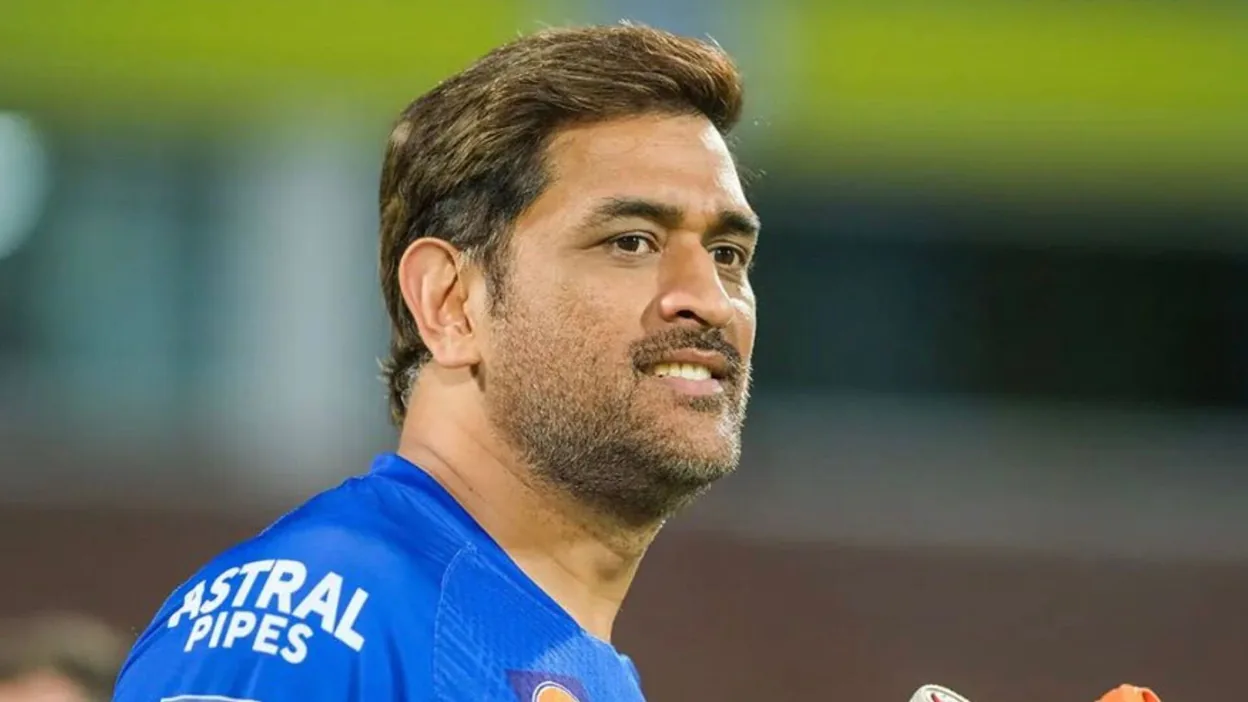
Yousuf, who was Pakistan’s batting coach and national team selector, credited the Indian cricket board’s post-tournament strategic decisions for India’s continued success. In particular, he emphasised that the selection of MS Dhoni was a game-changing move that put India on the rise. Yousuf was quoted, “It was a pivotal moment for both cricket boards, and I just feel that after that, the Indian board made the right decisions, like appointing MS Dhoni, etc., while in contrast, Pakistan cricket is struggling now because the wrong decisions were made.”
Mohammad Yousuf specifically highlighted the appointment of MS Dhoni
India’s achievements went beyond individual hiring to include the methodical training of young people. Rahul Dravid’s leadership of India’s junior cricket system, according to Yousuf, is essential to creating a long-term pool of talent for the senior squad. Rahul Dravid’s management of India’s youth cricket is also crucial to the country’s performance, and over time, his efforts to find and develop players have paid off, according to Yousuf.
While acknowledging Virat Kohli’s supremacy in white-ball cricket, Yousuf voiced concern about Pakistan’s failure to create players of a comparable level since 2019. He compared the calibre of batsmen Pakistan had produced in earlier decades with the current generation. The greatest white-ball player of our time, in my opinion, is Virat Kohli. Yousuf stated, “Unfortunately, since 2019, we haven’t produced the kind of players you need to sustain dominance at the highest level, the kind of players we had in the 80s or 90s.”
Mohammad Yousuf found a cultural issue in Pakistan’s cricket atmosphere that went beyond structural problems. He had experienced the difficulty of senior players’ unwillingness to accept coaching advice and dedicate themselves to ongoing development while serving as batting coach. Unfortunately, I believe that some of these existing players don’t willing to put in the additional time and effort. As a batting coach for the Pakistani squad, I can attest that there were moments when I thought these players were unwilling to learn,” Yousuf remarked.
Mohammad gave Sarfaraz Ahmed’s captaincy a positive review, pointing out that Pakistan’s performance improved during that time. Citing the captain’s readiness to bat lower in the order when necessary, he commended Sarfaraz’s dedication to team success over personal growth.
Pakistan’s coaching and player development issues. Sarfaraz made a lot of sacrifices for his squad because he wanted them to succeed, in my opinion. He responded, “For him, the team result mattered the most, not his position,” when I asked him, “Why don’t you bat higher?” Yousuf recalled.
In New Zealand, Mohammad worked closely with Babar Azam as batting coach to resolve tactical and technical concerns. But when Babar refused to put the recommended adjustments into practice, that engagement proved fruitless. When I was Babar’s batting coach in New Zealand, I spent time with him trying to figure out what he was doing wrong, but he refused to adapt,” Yousuf remarked.
Also Read: Jos Buttler ruled out of Pakistan tour, Australia series in doubt
Mohammad downplayed the pressure Indian players experience on social media as a justification for their poor performance when questioned about it. Regardless of other constraints, he maintained that professional cricket players must commit themselves to their craft. Tell me, how do Indian athletes handle the increased pressure from social media? Yousuf spoke.
In closing, Yousuf discussed the propensity to hold coaches accountable for Pakistan’s difficulties. He maintained that players’ willingness to follow instructions and behave morally is a key component of coaching efficacy.We often hold coaches accountable for everything, but what can they do when players fail to perform as expected? Yousuf spoke.